

Discover the different types of liver disease and learn how diet and lifestyle choices can support liver health. This World Hepatitis Day, explore evidence-based nutrition strategies and take steps toward a healthier you.
I have to admit that, even after nearly nine years of being a Registered Dietitian, I am still a little unsure about dealing with liver conditions. As a nutrition student, we learned that the liver is a vital organ responsible for detoxification, metabolism, and nutrient storage. The issue as a healthcare provider is that, despite its importance, liver diseases often go unnoticed until advanced stages.
Thankfully, we have World Hepatitis Day (July 28) to serve as a reminder to prioritize liver health and understand the risks associated with hepatitis and other forms of liver disease.
Approximately 4.5 million adults in the U.S., or ~2% of the adult population, have been diagnosed with some form of liver disease. On a global scale, liver disease causes about 2 million deaths annually, with about 2/3 of all liver-related deaths occurring in men [1,2].
The liver is a highly vascular organ (meaning it has lots of blood vessels) located in the upper right portion of the abdomen. While the liver has the ability to regenerate and is capable of regrowing to normal size even after substantial damage (yes, the rumors are true), it’s important to take efforts to protect and support its role in maintaining overall health.
Reporting for Duty
Let’s first give credit to the liver and the more than 500 vital functions that have been identified with it. While I’d love to list them all (please don’t ask me, though), I’ll focus instead on the following:
- Metabolism: The liver metabolizes (processes) nutrients from food into forms that the body can use; i.e., it helps convert calories from food to usable energy. Just like our kidneys, the liver also metabolizes drugs.
- Detoxification: The liver filters toxins from the blood, breaking them down or excreting them. It also clears the blood of drugs and other poisonous substances. Here is where we also acknowledge the production of bile which is stored in the gallbladder. This helps carry away waste and breaks down fats in the small intestine during digestion. I’ll note here that the liver and gallbladder are not part of the digestive tract, but they have a role in digestive activities, and are known as accessory organs (like the salivary glands).
- Storage: The liver stores essential nutrients like vitamins, minerals (iron/hemoglobin), and glycogen. Excess glucose (the sugar molecule that comes from the breakdown of carbohydrates in food) gets turned into glycogen which can later be converted back to glucose for energy.
- Synthesis: The liver produces cholesterol which is why you don’t need to consume cholesterol-containing foods to help build cells, produce hormones, and aid in digestion. It also produces special proteins like albumin and clotting factors to help carry fats through the body. Bonus! It also supports our immune system.
- Regulation: The liver regulates blood sugar levels, cholesterol metabolism, and is involved in the clearance of bilirubin, a yellowish substance found in bile, when the body breaks down red blood cells [3].
When Things Don’t Go As Planned
Some of the most common types of liver disease are treatable with diet and lifestyle changes, while others may require lifelong medication to manage [4]. If you begin treatment early enough, you can often prevent permanent damage. But you may not have symptoms in the early stages.
- Bile Duct Disease. Because bile is necessary for breaking down fats in foods, you may have to use fat substitutes or “kernel” oils like olive, corn, peanut, and flax seed which can accommodate the lack/loss of bile.
- Hemochromatosis. Since this is directly related to a build-up of iron (hence, “heme”) in the liver, you will have to avoid iron-rich foods like red meat and dark leafy greens, iron-fortified foods, iron supplements, and even cooking equipment made with iron.
- Liver Cancer. Tumors that start in the liver or bile ducts are known as primary cancers. Secondary cancers involve tumors that start outside the liver and then spread.
- Wilson Disease is the build-up of copper in the body and means you’ll have to limit copper-rich foods like chocolate, nuts, shellfish, and mushrooms, and avoid cooking with copper pots.
Cirrhosis, Steatotic (Fatty) Liver Disease, and Viral Hepatitis
Cirrhosis is advanced scarring of the liver caused by many diseases and conditions. The most common causes are related to viral hepatitis, alcohol, and Steatotic Liver Disease (fka Fatty Liver Disease). Each time the liver is injured —because of alcohol use or another cause—it tries to repair itself and scar tissue forms. Over time, that excess scar tissue makes it difficult for the liver to do its job and, in extreme cases, cirrhosis can be life-threatening or require a transplant. And, even though we just learned that the liver can regenerate, liver damage caused by cirrhosis generally can’t be undone [5]. If diagnosed early, however, the underlying cause can be treated and further damage can be limited.
Since there is so much blood in the liver, high blood pressure in the veins can result in portal hypertension [6]. Regardless if cirrhosis is present or not, you can protect your liver by limiting salt and sodium-rich foods. And if you do have a cirrhosis diagnosis, discuss with your doctor if you need a protein restriction since the accumulation of protein-containing fluid can lead to ascites (fluid buildup) in the abdomen.
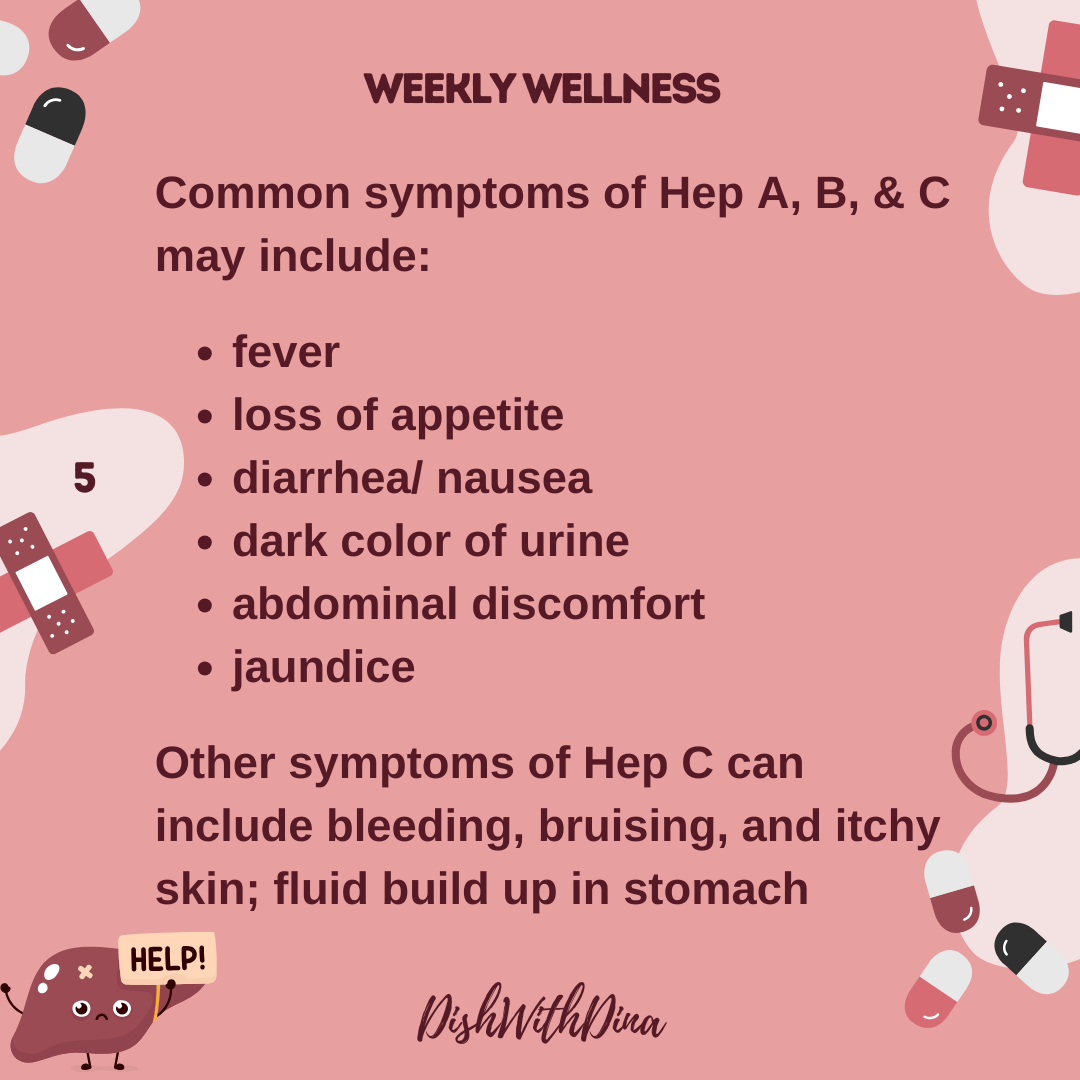
Any time you see a word ending in -itis, it means there is inflammation present. While hepatitis refers to inflammation of the liver, viral hepatitis indicates that this inflammation was caused or transmitted by a virus. Types of viral hepatitis include:
- Hepatitis A: Transmitted through contaminated food or water (refer to this fun story about a Hep A outbreak the first weekend at my job with the NYC DOHMH).
- Hepatitis B: Spread via blood and bodily fluids; can be chronic.
- Hepatitis C: Primarily bloodborne; often becomes chronic.
- Hepatitis D: Occurs only in those infected with Hepatitis B.
- Hepatitis E: Typically waterborne; more common in developing countries [7].
Medications and Supplements
Your kidneys and liver are responsible for processing and filtering anything that you ingest, whether it’s food, supplements, pharmaceuticals, narcotics, or alcohol. Over time, certain medications (or other substances) can increase the risk of liver damage. The list ranges from Tylenol (acetaminophen), an over-the-counter (OTC) pain reliever/fever reducer and NSAIDs, specifically diclofenac (Cataflam) to bodybuilding supplements (e.g., anabolic steroids) and weight-loss supplements and “detoxes” [8].
In regular, short-term dosages, most liver-related injuries are rare, but excessive or long-term intake may lead to more sever outcomes. Therefore, consider the following guidance:
- Don’t take more than the maximum recommended amount.
- Don’t drink alcohol while taking meds.
- Read labels (yes, those fine print warning and inserts may seem annoying but they are very important).
- Ask your pharmacist to clarify anything you are unsure of.
- High dose, long-term regimens should be monitored by doctor. This includes megadoses of vitamin D to get your levels back up to normal as these are only supposed to be administered for a handful of weeks until the issue is resolved.
Risk Factors and Warning Signs
As with most conditions, physiological changes with age can impact how our body and internal organs function. Certain chronic conditions may also increase deficiency/toxicity which relate to the liver, such as Type 2 diabetes. One of the biggest issues is ongoing moderate or heavy alcohol use (note that I even included moderate drinking). When it comes to our liver health, there is no safe level of alcohol consumption regardless of what the Mediterranean Diet states.
Since viral hepatitis is related to blood and bodily fluids, be mindful when getting tattoos or body piercings, and if you share needles to inject drugs, work with an organization that can get you safe supplies and don’t share. Regardless if you are part of an immunocompromised population or not, practice food safety and good hygiene to avoid coming in contact with toxic chemicals or cross-contaminated items.
As stated above, most symptoms go unnoticed, so people may not be aware that they have cirrhosis until the damage has already been done. Other signs may be more present over time, such as digestive issues (the liver is an accessory organ to the gut), feeling tired or weak, having a poor appetite, experiencing mild pain or discomfort over the liver in the upper right side of the abdomen, muscle cramps, low fever, or nausea and vomiting.
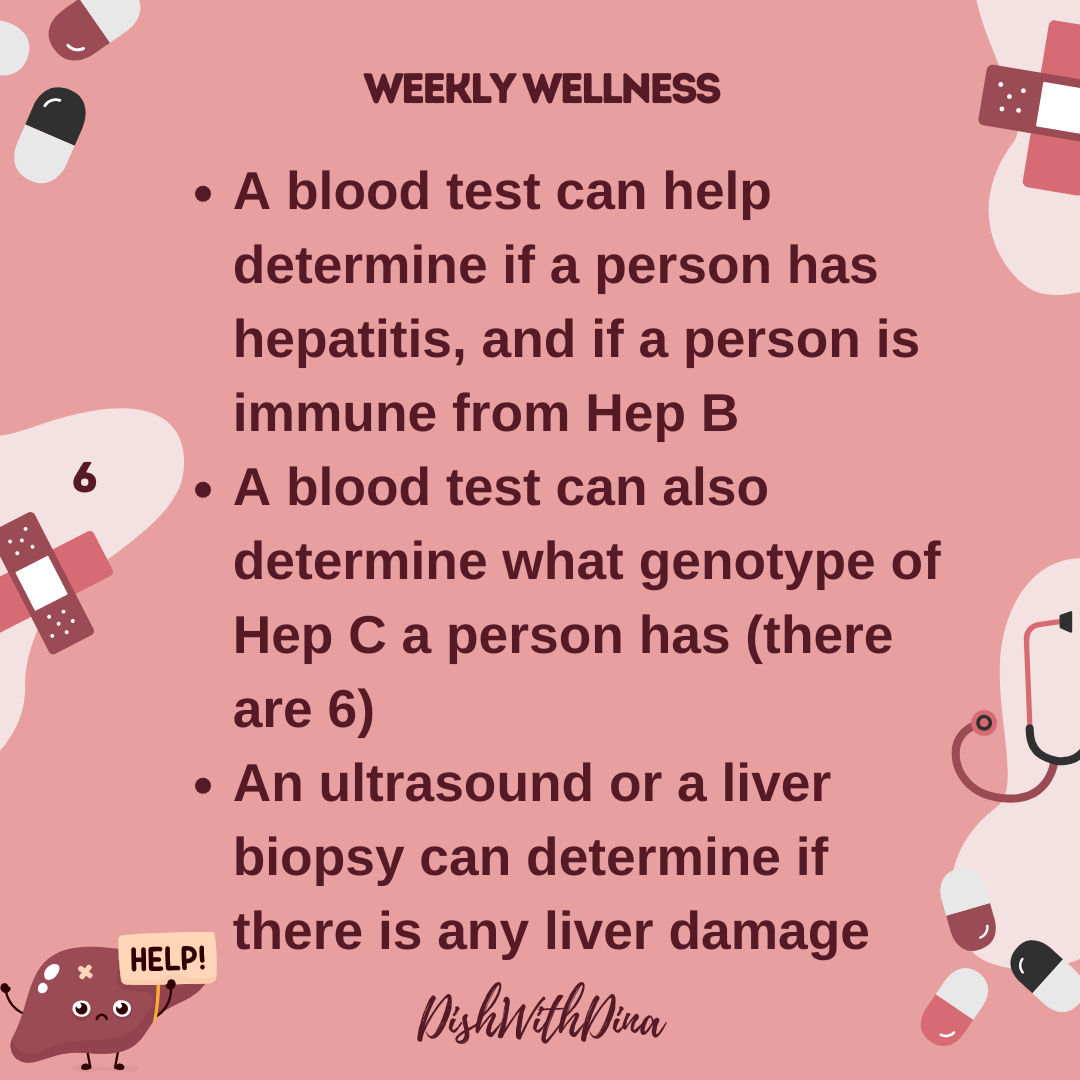
If you’re noticing any patterns, please reach out to a healthcare provider for tests [9]. These may include taking a medical history that includes questions about your conditions, how much alcohol you drink and which medicines you’re taking or performing a physical exam to check for signs of inflammation, like an enlarged liver, or signs of cirrhosis, like jaundice. Diagnoses may also be made using blood tests, specifically a liver enzymes test (if you’ve ever seen the acronyms ALT and AST on your bloodwork, these are your liver enzymes). A total protein test measures levels of protein in your blood, since your liver makes protein, and low protein levels may indicate that your liver isn’t functioning optimally. A bilirubin test tests if your liver is excreting waste properly. In more serious conditions or abnormal results come back, you might be sent for imaging procedures, like an ultrasound, CT scan, or MRI to check your liver for signs of inflammation and scarring, or a liver biopsy (tissue sample) to determine how far the liver disease has progressed.
Lifestyle Interventions for Liver Wellness
First and foremost, cease drinking alcohol. You can’t live without your liver and there is no treatment to reverse some of the more severe damage related to your liver aside from a transplant, so seriously consider your priorities when it comes to liver health.
If you get tattoos or body piercings, pick a shop that’s clean and safe. Seek help if you shoot illicit drugs.
Get vaccinated. If you’re at increased risk of getting hepatitis, talk with your healthcare professional about getting the hepatitis A and hepatitis B vaccines.
Be careful when taking medicines. Take prescription and other medicines only when needed. Don’t mix medicines and alcohol. Check before mixing herbal supplements and prescriptions.
Keep your food safe. Wash your hands well before eating or making foods.
If traveling in a resource-poor country, use bottled water to drink, wash your hands and brush your teeth.
Take care with aerosol sprays. Wear a mask when spraying insecticides, fungicides, paint and other toxic chemicals. Always follow the maker’s instructions. Protect your skin. When using insecticides and other toxic chemicals, wear gloves, long sleeves, a hat, and a mask so that chemicals don’t get on your skin.
Maintain a generally healthy lifestyle to avoid metabolic-associated liver disease [10]. Physical activity can reduce liver fat and improve general health. Eat a variety of whole, unprocessed foods to give your liver the nutrients it needs. Antioxidants (like vitamins C and E) help protect liver cells from damage caused by toxins and free radicals. Find them in citrus fruits, berries, spinach, and nuts. Incorporate cruciferous vegetables (like broccoli, kale, and Brussels sprouts) to boost natural liver detoxification enzymes. Mix in beets, carrots, berries, and whole grains like oats, brown rice, and quinoa. Healthy fats like olive oil, avocado, nuts, salmon, and flaxseeds reduce inflammation and fat accumulation in the liver, supporting liver health. Fermented foods like yogurt, kefir, and sauerkraut support gut health and indirectly benefit the liver. Consider adding anti-inflammatory ingredients to your meals, like turmeric and green tea, for their liver-protective properties. Stay hydrated with water to support detoxification and digestion. The recommendation is 8-10 glasses a day.
Next Steps
Any time I facilitate a webinar, I always ask attendees what they want to start, keep, or stop. Think about everything going on in your life right now. What’s working? Where might there be areas for improvement? What is no longer serving you? Make a plan, take it step-by-step, day-by-day, and move forward with realistic actions to support your liver health…and your overall well-being.
References
- Centers for Disease Control and Prevention. (2019, October 11). FastStats. CDC. https://www.cdc.gov/nchs/fastats/liver-disease.htm
- Devarbhavi, H., Asrani, S. K., Arab, J. P., Nartey, Y. A., Pose, E., & Kamath, P. S. (2023). Global Burden of Liver Disease: 2023 Update. Journal of Hepatology, 79(2). https://doi.org/10.1016/j.jhep.2023.03.017
- Johns Hopkins Medicine. (2025). Liver: Anatomy and Functions. Johns Hopkins Medicine. https://www.hopkinsmedicine.org/health/conditions-and-diseases/liver-anatomy-and-functions
- Cleveland Clinic. (2023, October 4). Liver Disease: Types. Cleveland Clinic. https://my.clevelandclinic.org/health/diseases/17179-liver-disease
- National Institute of Diabetes and Digestive and Kidney Diseases. (2019). Symptoms & Causes of Cirrhosis | NIDDK. National Institute of Diabetes and Digestive and Kidney Diseases. https://www.niddk.nih.gov/health-information/liver-disease/cirrhosis/symptoms-causes
- UpToDate. (n.d.). Www.uptodate.com. https://www.uptodate.com/contents/portal-hypertension-in-adults
- Types of Hepatitis. (2025). Nyulangone.org. https://nyulangone.org/conditions/hepatitis/types
- The 10 Worst Medications for Your Liver. (n.d.). GoodRx. https://www.goodrx.com/health-topic/liver/the-ten-worst-medications-for-your-liver
- Understanding Your Liver Function Test Results – American Liver Foundation. (2022, November 30). American Liver Foundation. https://liverfoundation.org/resource-center/videos/understanding-your-liver-function-test-results/
- Wellness Webinars – American Liver Foundation. (2022, June 15). American Liver Foundation. https://liverfoundation.org/health-and-wellness/resources/wellness-webinars/

0 Comments