
Learn what truly supports cancer prevention—from balanced nutrition and movement to myth-busting claims—in an evidence-based guide.
Cancer is one of those topics that can feel both overwhelming and strangely abstract. We all know it exists, and many of us have been affected by it personally, but the internet tends to swing between extremes: fear-based warnings, “miracle” cures, or overly complicated advice.
My mom used to always say that we are all born with cancer, but it may or may not show up in our lives. The truth is that there are meaningful steps you can take to support long-term health, but they don’t require perfection, expensive supplements, or eating like you’re training for a marathon. They also don’t guarantee that cancer won’t happen. Risk reduction and disease prevention are never absolute, but your everyday habits do influence how your cells function, how your body manages inflammation, and how resilient your immune system can be.
Myths & Misinformation
Misinformation spreads fast, especially when the topic is as emotionally charged as cancer. Even before I entered this profession, I remember hearing or reading about so many of these. Thankfully, I’m now more educated and knowledgeable to understand what should be taken seriously and what needs to be debunked.
- Myth #1: “Sugar feeds cancer.” Yes, all cells—including cancer cells—use glucose for energy. But eliminating sugar does not “starve” cancer or prevent it [1]. What is connected to cancer risk is long-term excess intake of added sugars, mostly because they contribute to chronic inflammation and higher body fat levels. In other words: the issue isn’t “sugar”; it’s the overall dietary pattern. One of my biggest pet peeves that seems to stem from this is the fear of fructose, so I would like to put your mind at east: you don’t need to fear fruit, enjoyments, or the occasional dessert for that matter.
- Myth #2: “Organic food prevents cancer.” Organic produce can be a great choice, but it isn’t a guaranteed cancer shield. Where I think the confusion lies is that one study found lower cancer rates among people who ate more organic foods, but it didn’t prove that organic foods were the reason [2]. Lifestyle patterns tend to cluster, and people who choose organic often engage in many other health-supportive behaviors, too [3]. If organic fits your budget and preferences, great. If not? Conventional produce is still a healthy option.
- Myth #3: “Superfoods cure cancer.” There’s no such thing as a single magic food, and the marketing around this kind of language tends to be vague, solely focusing on enticing consumers to think that there is. (Learn more about food packaging and marketing here.) Instead, nutrients work together in the context of your overall diet [4]. If anything is “super,” it’s patterns, especially those rich in plants, whole grains, and fiber.
Food & Nutrition Habits That Support Cancer Prevention
Eat the Rainbow. (Yes, I’m saying it again.) Colorful plant foods are rich in antioxidants which are compounds that protect your cells from damage [5]. Each color family has different phytochemicals, so variety really does matter. Aim for as many colors as you reasonably can throughout the week—not necessarily every day, and don’t worry if your meals don’t mirror what you see in Instagram-friendly bowls.
Good places to start:
- Berries
- Leafy greens
- Cruciferous veggies (broccoli, Brussels sprouts, cauliflower)
- Tomatoes, carrots, squash
- Citrus fruits
Choose Whole Grains More Often. Whole grains such as oats, brown rice, farro, or whole-wheat pasta contain fiber, antioxidants, and nutrients that support gut health.
Why it matters:
- Fiber helps regulate hormones like estrogen, which is linked to lower risk of certain hormone-related cancers [6].
- It also supports a healthier microbiome and reduces inflammation.
Small swaps count. You don’t need to abandon family recipes that use white rice (in fact, I urge you not to!). Instead, consider balancing meals with whole-grain options where they fit.
Limit Red & Processed Meats. You don’t need to eliminate red meat entirely (unless you want to), but the evidence is clear that processed meats like bacon, sausage, and cold cuts are associated with higher cancer risk [7]. Save processed meats for occasional enjoyment rather than daily staples, and build most of your meals around the following foods instead:
- Poultry
- Fish
- Beans and lentils
- Tofu or tempeh
- Nuts and seeds
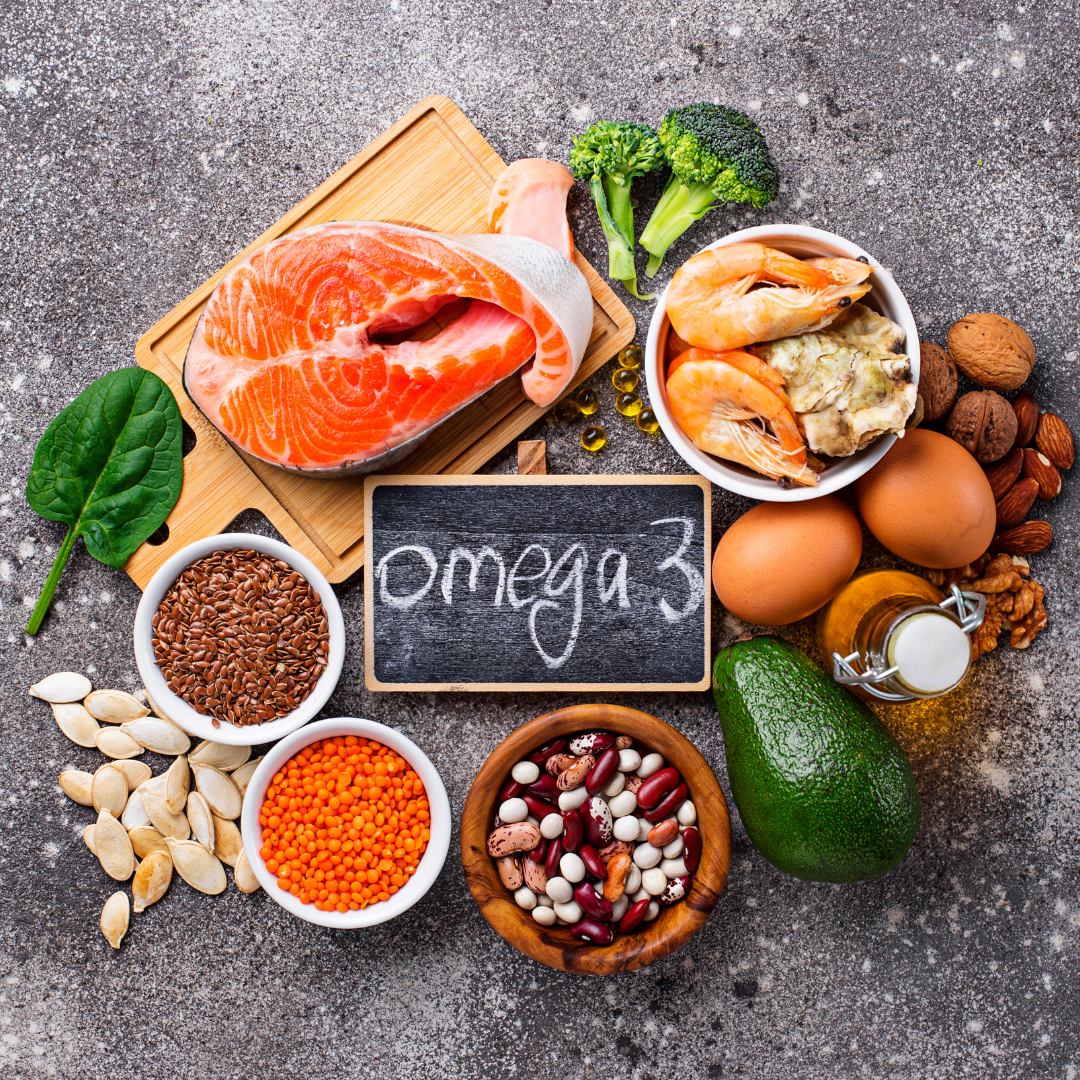
Incorporate Healthy Fats. Omega-3s which are found in fatty fish like salmon, as well as walnuts, chia seeds, and flax have anti-inflammatory properties that support cell health. Try including an omega-3 source a few times per week.
Lifestyle Habits That Make a Meaningful Difference
Nutrition matters, but other daily habits do, too. When it comes to moving your body, you don’t need intense workouts; moderate activity—like brisk walking—adds up quickly. The general recommendation is 150–300 minutes per week, but anything is better than nothing, and you can even move in bursts if your schedule doesn’t allow for a longer time commitment. Movement helps regulate hormones, blood sugar, inflammation, and body composition—all connected to cancer risk.
At this point, I’m a broken record telling you that alcohol is a known carcinogen. If you do choose to drink, follow the guidance below, and try to avoid “saving up” your alcohol for a binge night or pub crawl
- Up to 1 drink per day for women
- Up to 2 drinks per day for men
Two of the most important health factors that seem to always go overlooked are chronic stress and poor sleep. Both can affect immune function, appetite regulation, and inflammation. With any healthy habit recommendations, you don’t need to be perfect (that’s unrealistic and unsustainable), but I would encourage you to fine-tune your sleep hygiene. Aim for consistency and supportive habits by creating a regular wind-down routine, a consistent sleep schedule (studies suggest wake-up and bed times should be the same regardless if it’s a workday or a weekend), and stress-reducing practices like deep breathing, movement, hobbies, therapy, and making time for social connections.
A Brief Guide About Screenings
I come from a family who eschewed regular check-ups and suffered the consequences because of it, so I cannot overstate this: early detection saves lives. Screening isn’t unnecessary or scary; it’s empowering and essential [8].
General guidance:
- Breast cancer: Mammograms beginning between 40–45, depending on your risk
- Colon cancer: Start at 45 for most people
- Cervical cancer: HPV testing beginning at age 25
- Lung cancer: Annual low-dose CT scans for certain current or former smokers
- Prostate cancer: Discuss risks and benefits with your provider around 45–50
Check with your own healthcare provider for personalized recommendations.
If You or Someone You Love Is Facing a Diagnosis
Nutrition during cancer treatment can look very different from everyday prevention. In all of my nine years as a Registered Dietitian, I’ve never worked in a cancer treatment center, but I have worked with patients who have been diagnosed with cancer and have gone into remission. Nutrition is equally important before, during, and after treatment [9]. The main concern when you’re in it, is that side effects like nausea, low appetite, and fatigue can make eating challenging.
Supportive options include:
- Small, frequent meals
- Protein-rich foods for healing
- Hydrating beverages and water-rich foods
- Easy-to-digest meals like soups, yogurt, oatmeal
- Smoothies or nutrient-dense snacks
Working with an oncology dietitian can make a huge difference as they can tailor nutrition to treatment plans, side effects, and personal preferences.
A Grounded, Compassionate Approach
Cancer prevention isn’t about rigidity or pressure. It’s about building habits that support your body over time, and that still make room for joy, culture, convenience, and real life.
If you walk away with just three takeaways, let them be these:
- Patterns matter more than perfection.
- Colorful plants, whole grains, and movement support your cells in powerful ways.
- Screenings are not optional; they’re part of preventive care.
Your future self will be glad you started wherever you are today.
Want a deeper dive? Check out our hour-long Cancer Awareness & Prevention webinar from last year:
References
- Tontonoz, M. (2016, December 1). No Sugar, No Cancer? A Look at the Evidence | Memorial Sloan Kettering Cancer Center. Www.mskcc.org. https://www.mskcc.org/news/no-sugar-no-cancer-look-evidence
- Baudry, J., Assmann, K. E., Touvier, M., Allès, B., Seconda, L., Latino-Martel, P., Ezzedine, K., Galan, P., Hercberg, S., Lairon, D., & Kesse-Guyot, E. (2018). Association of Frequency of Organic Food Consumption With Cancer Risk. JAMA Internal Medicine, 178(12), 1597. https://doi.org/10.1001/jamainternmed.2018.4357
- Can eating organic foods cut cancer risk? | Harvard T.H. Chan School of Public Health. (2018, October 25). Harvard T.H. Chan School of Public Health; HSPH. https://hsph.harvard.edu/news/organic-food-cancer-risk
- Staab, J. (2021, March 10). What makes superfood so super? UC Davis. https://www.ucdavis.edu/food/news/what-makes-superfood-so-super
- Fagbohun, O. F., Gillies, C. R., Murphy, K. P. J., & Rupasinghe, H. P. V. (2023). Role of Antioxidant Vitamins and Other Micronutrients on Regulations of Specific Genes and Signaling Pathways in the Prevention and Treatment of Cancer. International Journal of Molecular Sciences, 24(7), 6092. https://doi.org/10.3390/ijms24076092
- CDC. (2024, April 17). Cancer Risk Factors. Cancer. https://www.cdc.gov/cancer/risk-factors/index.html
- National Cancer Institute. (2023, January 17). How Cancer Is Diagnosed. National Cancer Institute; Cancer.gov. https://www.cancer.gov/about-cancer/diagnosis-staging/diagnosis
- Cancer Screening Guidelines by Age | American Cancer Society. (n.d.). Www.cancer.org. https://www.cancer.org/cancer/screening/screening-recommendations-by-age.html
- National Cancer Institute. (2025, May 15). Types of Cancer Treatment. National Cancer Institute. https://www.cancer.gov/about-cancer/treatment/types
0 Comments