
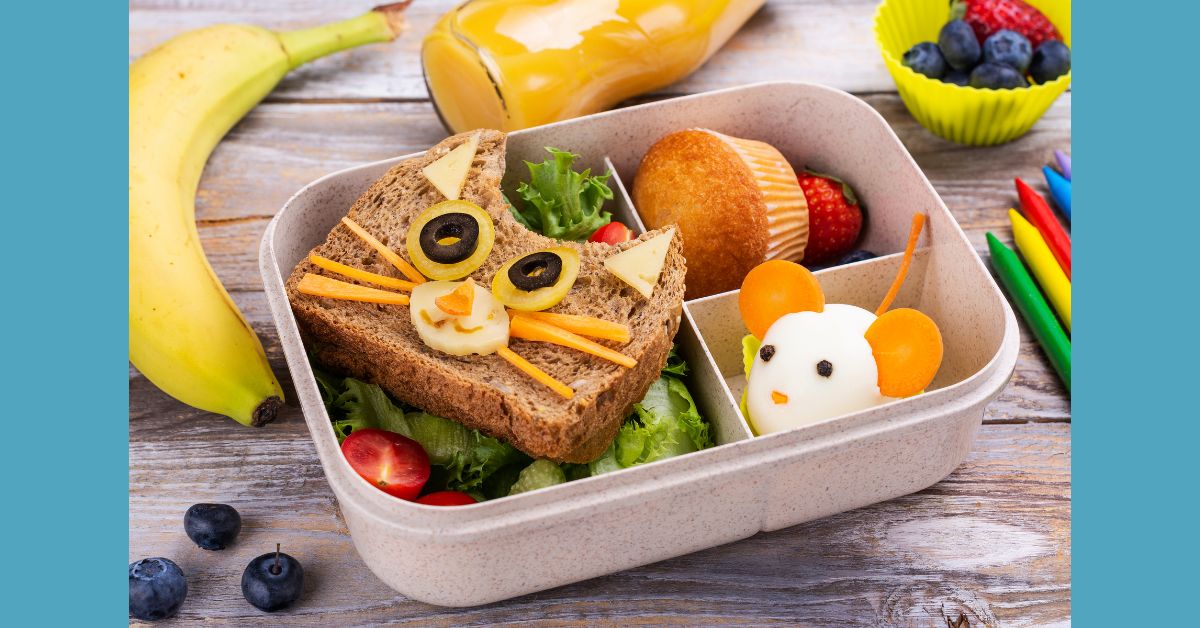
Kick off the school year with simple, healthy meal strategies to keep kids energized, focused, and ready to succeed in class and after-school activities.
Guest post by Nechama Glatzer
The start of a new school year can feel like a whirlwind: new schedules, homework, after-school activities, and, of course, packing food for you and your loved ones. The good news? Healthy eating doesn’t have to be complicated or time-consuming. With a little planning and some simple strategies, you can keep yourself and your child energized and focused all day long.
The Importance of Proper Nutrition for Back to School
A new school year brings fresh opportunities for learning and growth, and proper nutrition plays a key role in helping children succeed. Balanced meals provide the fuel for their brains and bodies to help them stay alert, and help them focus in class and power through after-school activities [1]. Research shows that children who eat nutritious meals are more likely to perform better academically, demonstrate improved behavior, and maintain consistent energy throughout the day [2].
Without the right nutrients, kids may feel sluggish, irritable, or struggle to concentrate, which can affect both academic performance and overall well-being [3]. Making nutrition a priority now sets healthy habits that can last all year long.
Tips to Ensure Your Child Gets Proper Nutrition
- Check accessibility. Double-check that your child can easily access the food you send. Sometimes, a tricky package, hard-to-open thermos, or unfamiliar preparation can mean food goes uneaten. Practice at home. Show them how to peel that mandarin orange or open that container so they feel confident managing their meal on their own.
- Aim for balance. Each meal should ideally include protein, whole grains, fruits or vegetables, and a healthy fat. This combination helps stabilize energy and prevents the highs and lows that sugary foods can cause. MyPlate, an accessible platform created by USDA, emphasizes the importance of offering a variety of food groups to support growth and development [4].
- Consider timing. If lunch is scheduled early in the day, your child may need a hearty afternoon snack to prevent fatigue or irritability later on. A balanced snack can bridge the gap until dinner and keep energy levels steady.
- Involve your child. Let your child help choose and prepare their food. When kids have a say in what goes into their lunchbox, they’re more likely to eat it. Even small tasks like selecting fruit at the grocery store or assembling a sandwich can give them ownership over their meals [5].
- Think food safety. Always pack perishable items, such as yogurt or cheese, with an ice pack to keep them safe until lunchtime. Remind children to wash their hands before eating and to properly seal leftovers when possible. These simple steps reduce the risk of foodborne illness.
Want to learn more about food safety? Check out our podcast episode with Jessi Holden, a registered dietitian specializing in culinary nutrition. She discusses essential tips and strategies for immunocompromised populations, like children.
Ideas for Lunch and Snack
For lunch, think simple and colorful. Try whole-wheat pita pockets filled with turkey, cheese, and lettuce; pasta salad with vegetables and a light vinaigrette; or a bento box with crackers, cheese cubes, grapes, and carrot sticks.
For snacks, opt for nutrient-dense options like apple slices with almond butter, yogurt with berries, homemade trail mix, or roasted chickpeas. Variety is key — rotating foods throughout the week keeps things interesting and helps ensure a range of nutrients.
Back-to-school season doesn’t have to mean stress when it comes to nutrition. By prioritizing balanced meals, planning ahead, and making food both accessible and appealing, you can set your child up for a year of learning, growth, and energy. Simple steps like packing a colorful lunch, involving your child in meal prep, and keeping snacks balanced can make all the difference. Healthy habits formed now can last the whole school year and beyond.
Takeaways:
- Balanced meals support focus, energy, and overall well-being.
- Check that food is easy for your child to open and eat.
- Aim for a mix of protein, whole grains, fruits/veggies, and healthy fats.
- Pack hearty snacks if lunch is early in the day.
- Involve kids in meal prep for more buy-in.
- Follow food safety steps to keep meals fresh.
What smart snacks are you going to try with the children in your life? Click here to download our *FREE* e-book containing simple-but-nutritious recipes if you need some ideas.
References:
- Peña-Jorquera, H., Campos-Núñez, V., Sadarangani, K. P., Ferrari, G., Jorquera-Aguilera, C., & Cristi-Montero, C. (2021). Breakfast: A Crucial Meal for Adolescents’ Cognitive Performance According to Their Nutritional Status. The Cogni-Action Project. Nutrients, 13(4), 1320. https://doi.org/10.3390/nu13041320
- Olarte DA, Tsai MM, Chapman L, Hager ER, Cohen JFW. Alternative School Breakfast Service Models and Associations with Breakfast Participation, Diet Quality, Body Mass Index, Attendance, Behavior, and Academic Performance: A Systematic Review. Nutrients. 2023;15(13):2951. Published 2023 Jun 29. doi:10.3390/nu15132951
- Sliwa SA, Merlo CL, McKinnon II, et al. Skipping Breakfast and Academic Grades, Persistent Feelings of Sadness or Hopelessness, and School Connectedness Among High School Students – Youth Risk Behavior Survey, United States, 2023. MMWR Suppl. 2024;73(4):87-93. Published 2024 Oct 10. doi:10.15585/mmwr.su7304a10
- U.S. Department of Agriculture, Food and Nutrition Service. (n.d.). Nutrition information for kids. MyPlate. Retrieved August 19, 2025, from https://www.myplate.gov/life-stages/kids
- Nemours KidsHealth. (n.d.). Cooking with kids. Retrieved August 19, 2025, from https://kidshealth.org/en/parents/kids-cook.html
Nechama Glatzer is a dietetic intern at Keith & Associates Distance Dietetic Internship program (KADDI) and master’s student at Lamar University. She has a special interest in gastrointestinal nutrition and is passionate about making healthy eating approachable and sustainable for people of all ages.


0 Comments